© 2026 Observater Surveys and Services Group. All rights reserved.

Cargo inspection in Nairobi involves the physical verification of goods at inland depots like ICDN Embakasi or private godowns. Observater Kenya verifies quantity, quality, and packaging integrity before rail or road transport to Mombasa, acting as the primary firewall against short-shipping and defects.
Book Cargo InspectionPSI is a quality control procedure conducted when 80-100% of an export order is packed. We use the ISO 2859-1 (AQL Level II) standard to randomly sample goods at factories in Athi River EPZ or Nairobi Industrial Area, ensuring strict compliance with the buyer’s Purchase Order and destination regulations.
Request PSI QuoteAlso known as “Stuffing Supervision,” this process witnesses the entire loading of goods into shipping containers. Observater Kenya inspectors verify the container’s structural condition (7-Point Check), ensure equal weight distribution, and apply a high-security seal to prevent theft during transit from Nairobi to Mombasa Port.
Secure Your LoadingRequired by insurers and banks, a Warehouse Audit evaluates the physical security and safety of a storage facility. We check for roof leaks, ventilation adequacy, fire suppression systems, and perimeter security in Nairobi godowns to mitigate risks of water damage, theft, or fire before stock is stored.
Audit Your WarehouseSupplier Verification (or Factory Audit) confirms that a potential partner is a legitimate legal entity with actual production capacity. We physically visit the premises to verify Business Permits, CR12 status, machinery, and ISO certifications, protecting international buyers from “briefcase trader” scams.
Verify a SupplierUsed Beverage Cans (UBC) and aluminium scrap exports require strict contamination controls. We inspect loads against ISRI Codes (e.g., Taldon/Taldork) to ensure moisture, plastic, and iron content are within permissible limits, preventing rejection at recycling plants in India or Europe.
Inspect Scrap MetalOperating at the Mombasa Tea Auction, we provide independent tallying and sack integrity checks for bulk tea exports. We verify that the container is properly “dressed” with Kraft paper and desiccants to prevent moisture absorption during the ocean voyage to Pakistan or the UK.
Tea InspectionFor Arabica and Robusta exports, moisture control is critical. We use calibrated moisture meters to ensure beans meet the 10-12% standard. We also verify the condition of GrainPro/Jute bags and supervise loading to ensure no hooks are used that could damage the packaging.
Coffee ChecksBefore loading reefers in Nairobi, we inspect Avocados (Hass/Fuerte) for maturity using dry matter analysis. Crucially, we use pulp thermometers to verify pre-cooling temperature has been reached, preventing ripening or chill damage during transit to Europe.
Avocado QAAt JKIA Airport, we inspect Roses and Carnations for Botrytis (grey mold) and pests. We supervise pallet building to prevent box crushing and install data loggers to monitor temperature spikes during the air freight journey to Amsterdam or Dubai.
Flower AuditFor mineral sands like Ilmenite or Rutile, we sample for Transportable Moisture Limits (TML) to prevent cargo liquefaction at sea. We also conduct radiation checks and verify Jumbo Bag condition for bulk shipments leaving Kwale or Mombasa.
Mineral SurveyWe inspect Soda Ash exports for contamination and bag integrity. Key checks include verifying the presence of inner liners to prevent moisture ingress and supervising the stacking pattern to ensure stability during rail transport from Magadi to Mombasa.
Chemical AuditFor garments exporting to the USA under AGOA, we perform Final Random Inspections (FRI) in EPZ zones. We check stitch counts, measurements, labeling, and conduct mandatory needle detection (metal checks) to ensure safety and compliance.
Textile InspectionWe support PVOC compliance by inspecting imported electronics, machinery, and consumer goods. Our surveyors verify visual quality, markings (voltage, manuals), and quantity against invoices to ensure goods meet Kenya Bureau of Standards (KEBS) requirements.
General Cargo CheckA Draft Survey determines the weight of bulk cargo loaded or discharged from a vessel by measuring water displacement. Observater Kenya’s marine surveyors perform this high-precision calculation at Mombasa Port for commodities like Grain, Fertilizer, and Coal.
Marine SurveyFor banks providing trade finance, we act as independent custodians of the pledged stock. We perform daily or weekly stock monitoring, control inventory release, and hold the keys to the warehouse to prevent unauthorized removal of collateral.
Finance SupportFor high-value cargo like Copper, Tea, or Electronics moving from Nairobi to Mombasa, we provide security escort services. This includes physical riders in the cabin and GPS tracking to prevent diversion or theft along the Northern Corridor highway.
Security EscortWhen cargo arrives damaged, insurers need an immediate, independent assessment. We determine the Cause (water, impact, contamination), Extent (percentage loss), and Salvage Value, providing a comprehensive report for claims adjustment.
Report DamageMandatory for all scrap metal exports. We use calibrated Geiger counters to scan loads for radioactive sources (like medical waste or industrial gauges). We issue a Non-Radioactivity Certificate to ensure safe entry into destination ports.
Geiger TestTo meet Regulation (EU) 2023/1115, Kenyan Coffee, Wood, and Rubber exports must prove they are deforestation-free. We verify GPS Polygon mapping data and farm traceability to ensure your cargo complies with new EU market entry rules.
EUDR CheckFor exports to the USA, we conduct rigorous C-TPAT compliant inspections. This includes a 7-Point Container Check, agricultural validation (no soil/seeds), and high-security seal verification to prevent smuggling and terrorism risks.
USA Security CheckIn international trade, a Bill of Lading or a Warehouse Receipt is only as good as the physical reality backing it. Observater Kenya exists to eliminate the “trust gap” in Nairobi’s supply chain. When you are thousands of miles away, you cannot verify if the warehouse in Industrial Area actually holds your stock, or if the container in Mombasa was sealed properly.
Whether it’s a “Phantom Warehouse” scam where collateral doesn’t exist, scrap metal shipments loaded with concrete blocks to cheat weight, or avocados arriving in Europe with chill damage due to pre-cooling failure—we catch it before you pay for it. Our role is to act as your unbiased eyes and ears on the ground.
Avoid “Quality Fade” and scams. Know exactly what is in the container before it leaves Mombasa. We verify supplier capability and product specs.
Don’t insure empty air. We verify risk existence, fire safety systems, flood zones, and actual stock levels before you underwrite the policy.
The gold standard for export compliance. We visit the factory in Nairobi Industrial Area or Athi River EPZ when 80-100% of your order is packed. This ensures that the goods leaving the factory match your Purchase Order exactly.
We count cartons/bales to ensure no short-shipping. We verify gross and net weights against the packing list.
Checking for scratches, dents, painting errors, or stitching defects based on AQL Limits (Critical: 0, Major: 2.5, Minor: 4.0).
On-site testing of electronics (Hi-Pot, Power on), mechanical parts assembly, and dimensional checks.
Barcode scanning, shipping mark verification, and Carton Drop Tests to ensure transit durability.
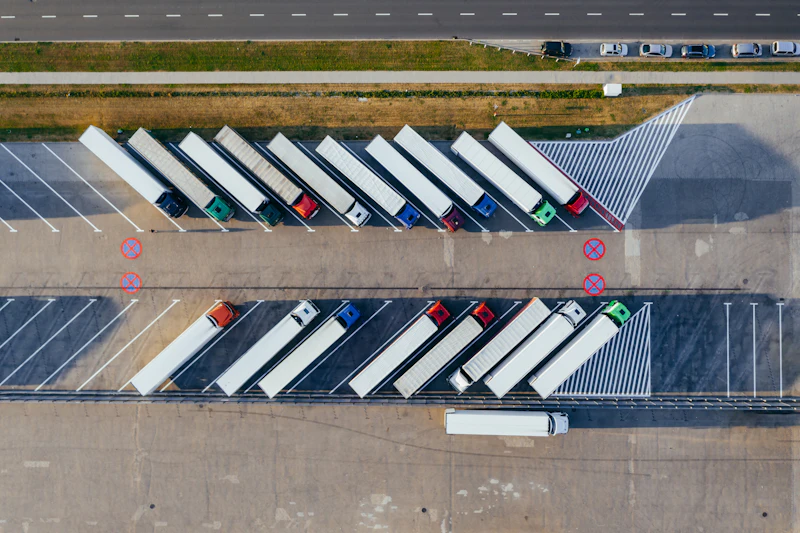
“What is on the Invoice is What is in the Truck.” We witness the stuffing process 24/7 at ICDN Embakasi or private godowns to ensure security.
Securing your supply chain begins long before the vessel departs Mombasa. In Nairobi’s critical logistics nodes—including the Inland Container Depot (ICDN Embakasi), Athi River EPZ, and private godowns along Mombasa Road—container stuffing is the moment of truth for your export cargo. For international stakeholders, this stage presents the highest risk of “dead freight” (inefficient space usage), moisture damage, and pilferage.
Our Container Loading Supervision (CLS) acts as your independent guarantee on the ground. We go beyond simple tallying; our surveyors actively monitor the condition of the container (checking for seaworthiness, odors, and structural integrity), ensure professional lashing and dunnage are applied to prevent shifting during the rugged road transport to the coast, and verify equal weight distribution to avoid axle-load penalties. By documenting the stuffing process with timestamped photos from the first carton to the final high-security seal, Observater Kenya provides the irrefutable evidence insurers and banks require to process payments and underwrite risk with confidence.
We rigorously inspect the Front wall, Left/Right sides, Floor (for splinters/nails), Ceiling, Doors, and Undercarriage.
Light leak detection (standing inside with doors closed) to prevent water ingress and cargo damage at sea.

For insurers writing property risk. We evaluate the physical condition of the godown.
Assessing the risk of theft or unauthorized access.
Confirming the existence of pledged collateral.
Don’t get scammed. Many “manufacturers” listed on Alibaba or directories in Kenya are actually small traders operating out of a briefcase. Before you deposit money, let us visit them physically.
A rapid 1-day check to confirm existence, basic capacity, and take photos of the facility. Best for low-risk initial checks.
Detailed 2-day audit covering ISO 9001 quality systems, social compliance (labor laws/safety), and deep production capability assessment.
When cargo arrives damaged, the first 24 hours are critical. We provide forensic assessment to determine the Cause, Extent, and Salvage Value. Our independent surveyors attend Joint Surveys with shipping lines and insurance adjusters to protect your interests.
Documenting condition of goods “ex-tackle” or “ex-gate” to pinpoint where damage occurred in the chain of custody.
Investigating seal tampering, pilferage, and hijacking incidents. We work with local police and security firms.
Assisting in the valuation and disposal of damaged goods to minimize total financial loss.
We draw samples per GAFTA/ISO standards and coordinate analysis with ISO 17025 accredited labs for Aflatoxin, Moisture, and Purity testing.
High-precision weight determination for bulk cargo (Grain, Fertilizer, Coal) at Mombasa Port via Archimedes’ principle water displacement calculations.
Daily or weekly Collateral Management Agreements (CMA) for banks. We act as custodians to ensure pledged stock remains secure and is released only upon bank instruction.
Security escort services for high-value transit cargo (Copper, Tea, Electronics) from Nairobi to Mombasa. We provide GPS tracking and physical riders.
Scrap metal exports are subject to rigorous controls by both Kenyan authorities and destination markets like China and India. The risk of contamination, radioactive material, and misdeclaration is immense.
We provide specialized Pre-shipment Inspection for Used Beverage Cans (UBC) and Scrap Metal to ensure compliance with ISRI Codes and environmental regulations. Our inspection certificate serves as your protection against heavy fines and rejection at the discharge port.
“Importers in India can face bans and fines of up to $50,000 if scrap cargo is found to contain ‘municipal waste’ or radioactive elements. Our report is your defense.”
Request Scrap InspectionKenya’s top exports. We operate at Mombasa Tea Auction warehouses.
Critical focus on cold chain to prevent ripening or chill damage.
Time-sensitive cargo requiring airport supervision.
Auditing mixed loads for prohibited items.
Ensuring safety for sea transport (IMSBC Code).
Focus on purity and packaging integrity.
Operating in Athi River EPZ and Mombasa EPZ. We perform in-line (DUPRO) and final random inspections (FRI) for garments destined for the USA.
Inspection of imported electronics, machinery, and FMCG to ensure they meet Kenya Bureau of Standards (KEBS) PVOC requirements. We support partner agencies in verifying conformity.
Regulation (EU) 2023/1115 requires mandatory Deforestation verification for Coffee, Wood, and Rubber. We help verify GPS Polygon mapping data to prove land compliance.
Europe has the strictest Maximum Residue Levels for pesticides in horticulture. We draw samples for accredited lab testing to ensure your French Beans and Avocados aren’t rejected.
Compliance with EU plastic waste directives and ISPM 15 wood pallet fumigation. We verify stamps and plastic gauges.
The Customs-Trade Partnership Against Terrorism requires a rigorous 7-Point Container inspection. Our reports include specific C-TPAT checklists and seal verification photos.
We verify Rules of Origin documentation and quality standards for duty-free apparel entering under the African Growth and Opportunity Act.
Supporting Foreign Supplier Verification Programs for food exports. We audit facilities for HACCP and food safety hygiene standards.
China and India impose strict bans on scrap metal with impurities (often >0.5%). We perform rigorous sorting supervision to prevent rejection.
Mandatory non-radioactive certification for minerals and metals. We use calibrated Geiger counters for every shipment.
Strict Transportable Moisture Limits (TML) for Ores to prevent liquefaction at sea. We ensure cargo is dry before loading.
Navigating the complex logistics landscape of East Africa requires deep local expertise. Whether you are dealing with the congestion at Inland Container Depot Nairobi (ICDN Embakasi), the bustling operations at Mombasa Port, or the specific regulations of factories in the Athi River EPZ, you need a partner who understands the local context but works exclusively for you.
Many global importers rely on generic testing reports provided by the supplier. However, the real risk often lies in the loading process. Issues like “wet damage” (from container sweat condensation), “pilferage” (theft during road transport), or “dead freight” (inefficient loading leaving empty space) can only be prevented by physical supervision. A supplier may produce a perfect product but load it into a container with a hole in the roof, ruining the cargo before it reaches you.
Observater Kenya offers a nimble, cost-effective alternative to multinational inspection agencies. We provide the same ISO-standard inspections but with faster deployment times (often within 24 hours) and more personalized reporting. We are your “boots on the ground,” ensuring that the cargo leaving Kenya matches the quality you paid for, sealed with our security tags that cannot be tampered with.
We act as the technical arm of your underwriting team. Observater Kenya prevents fraudulent claims and reckless risk exposure.
Before writing a policy, we survey the asset. Is the warehouse actually fire-safe? Is it located in a known flood zone? Are the hydrants functional? We give you the technical data to price the risk accurately.
For banks financing inventory: We perform surprise spot-checks to ensure pledged stock exists and hasn’t been sold off. We act as independent custodians holding the keys to the warehouse.
Ensure cargo is loaded in sound condition. Our reports certify that goods were “Clean on Board,” facilitating faster bank payments via Letter of Credit (LC).
We verify container volume is maximized so you don’t pay to ship air. We advise on optimal stacking patterns to use every cubic meter.
In case of disputes, our independent, timestamped report serves as valid legal evidence in international courts and arbitration.
We don’t just send a PDF. We provide a digital audit trail that proves the inspector was on-site.
Secure Client Portal Preview
For Nairobi/Mombasa, we require 24 hours notice. For remote areas, 48 hours.
We specialize in Point of Loading (POL) and Point of Discharge (POD). Once sealed, we cannot inspect. However, we offer “Cargo Escort” to follow the truck.
Yes, our certificates are valid for Letter of Credit (LC) negotiations worldwide.
Secure, Independent, Professional.
When precision matters, Observater Surveys Group is your Partner of Choice
© 2026 Observater Surveys and Services Group. All rights reserved.